You're not broken. Your body just prefers a different signal.
Let's start here: if you've never had an orgasm using a vibrator, or ever, that doesn't mean you're missing something everyone else has. It means the stimulus you've been trying hasn't matched your nervous system's language. And that's fixable. A lot of the time, the difference between "never has" and "regularly does" is as simple as switching from vibration to suction.
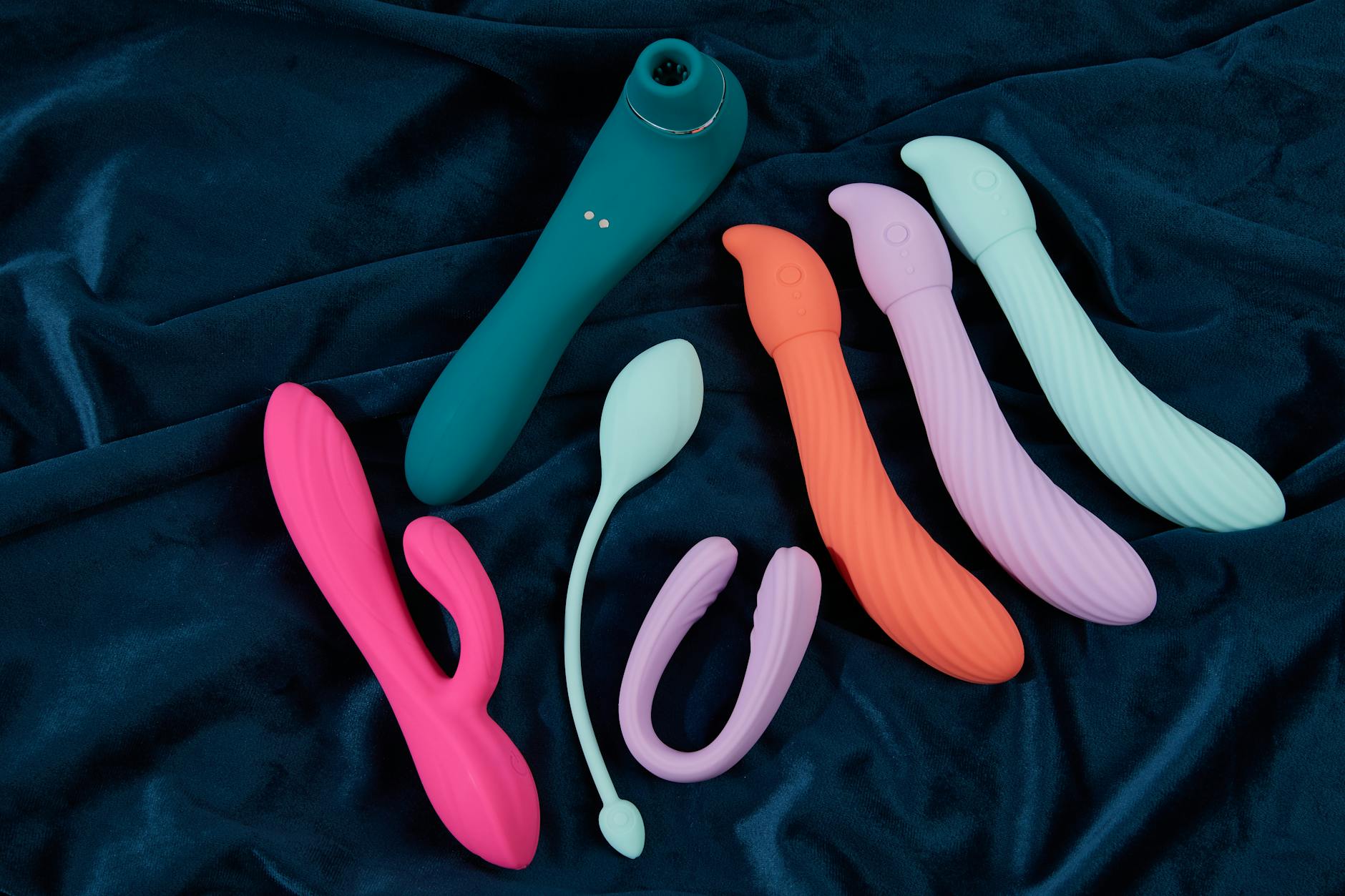
Here's what I see in my practice. People who've struggled with orgasm for years pick up a lemon sexual toy designed around suction, and something shifts within the first few sessions. Not because they're suddenly "ready," but because suction and vibration speak to your body's nerves in two entirely different ways.
The neurology of why vibration sometimes fails
Traditional vibrators work by sending rapid oscillations into tissue. It's a straightforward signal: buzz, buzz, buzz. Your nervous system either recognizes it as pleasure or doesn't. If it doesn't, adding more buzz, faster buzz, or different patterns often doesn't help. You're just shouting louder in a language your body isn't fluent in.
Vibration can also be overwhelming for people with certain trauma histories, anxiety disorders, or hypersensitivity. The constant frequency can feel aggressive or even triggering to the nervous system, which then does what nervous systems do when threatened: it downregulates. It shuts sensation down.
Here's the thing about suction. It's not a repetitive signal. Suction creates a pulling sensation that mimics oral stimulation and engages the clitoris in a way that feels gentler at lower settings but still deeply arousing. The Lemon, designed specifically as a lemon clitoral vibrator, uses rhythmic suction that varies in intensity and pattern. That variation is crucial. Your brain doesn't habituate to it as quickly.
Why suction patterns feel more like pleasure
Your clitoris has over 8,000 nerve endings, but they're not all the same type. Some respond to pressure. Some respond to vibration. Some respond to warmth, movement, and rhythmic change. A lemon sucker stimulates multiple nerve types simultaneously, which creates a richer, more complex sensation than straight vibration alone.
When people say they've "tried everything" and nothing works, what they often mean is they've tried vibration in various speeds. They haven't tried suction. Because suction engages the tissue differently, it can unlock sensation that vibration literally cannot reach.
I've worked with clients who'd spent ten years unable to finish with a partner or alone. Three weeks with a suction-based lemon vibrator, and suddenly they're having consistent, strong orgasms. Not because they're broken or damaged or psychologically blocked. They just needed the right sensory language.
The mental block that vibration reinforces
There's also a psychological piece here. If you've spent years trying to orgasm with vibrators and failing, that becomes a story you carry into every session. "I probably can't orgasm." "My body doesn't work that way." "I'm one of those people." You tense up before you even start.
Switching to an entirely different sensation (suction versus vibration) interrupts that narrative. Your brain doesn't have the same failure story attached to suction. It feels new. It feels possible. That reset is genuinely useful.
The suction from the Lem, Hello Nancy's flagship lemon clitoral vibrator, also tends to feel less goal-oriented than vibration. People describe it as more intimate, less clinical. That shift in experience can loosen the grip of performance anxiety that often underlies the inability to finish.
How to start with suction when vibration hasn't worked
If you're considering trying a lemon vibrator and you've had limited success with traditional vibration, here's what I recommend.
Start at the lowest setting. Suction can feel intense even when you turn it down. The Lem's first two patterns are gentler than you think. Begin there.
Use it over underwear or a thin fabric first. Let your body adjust to the sensation through a buffer. You can always remove the fabric later. This takes pressure off the experience and prevents overstimulation.
Warm up first, even if vibration hasn't felt good. Suction works best when your body's already aroused. Spend 10-15 minutes with touch, fantasy, or a partner before introducing the lemon sucker.
Let go of the orgasm goal. This is hard, but it's the most important part. If you come, great. If you don't, also great. You're collecting data on what suction feels like on your body, not pass-fail testing an outcome.
Expect it to feel different. Not better or worse immediately. Different. Your nervous system might need two or three sessions to even recognize suction as a pleasure signal. That's normal and doesn't mean it's not working.
When anorgasmia is deeper than sensation
There are cases where the block isn't about vibration versus suction. Some people have trauma that makes any genital stimulation feel unsafe, no matter how gentle or different. Some have medical issues (medication side effects, hormonal imbalance, nerve damage) that genuinely impair the physical capacity for orgasm.
If you've tried a lemon clitoral vibrator at multiple settings over several weeks and feel no change, it's worth talking to a therapist or doctor. Not because you're broken, but because there may be something else happening that's worth understanding. Suction helps many people, but it's not a guarantee for everyone.
For most, though, switching to suction-based stimulation (like the Lem vibrator or similar designs) shifts something fundamental. You're no longer pushing against your body's natural language. You're speaking in a frequency it actually understands.
The role of stress and nervous system state
I also want to mention that people who struggle to orgasm are often running on a sympathetic nervous system state. Fight-or-flight. Tense muscles. Shallow breathing. That state is literally incompatible with orgasm.
A lemon sexual toy you find genuinely pleasurable can help transition your nervous system into the parasympathetic state (rest-and-digest) that orgasm requires. But only if the stimulus feels good, not forced. If vibration never felt good, suction might be the permission your body needs to actually relax.
That's not magical thinking. That's neurobiology.
FAQ
Can suction vibrators work if I've never had an orgasm at all?
Yes, often more reliably than traditional vibrators. Many people who've never orgasmed find suction less overwhelming and more intuitive. Suction mimics oral stimulation, which is familiar sensation for most bodies. That familiarity can help your nervous system cooperate.
How long does it usually take to feel results with a lemon suction vibrator?
Varies widely, but most people report noticeable change within 3-5 sessions. Some notice a difference the first time. Others need two weeks of regular use before orgasm clicks. If you've never had one before, you're also learning to recognize the sensations building toward it. That learning curve is part of the process.
Is suction safer than vibration for sensitive bodies?
Not inherently safer, but often gentler to start with. You can run suction at very low intensity without losing the effect. Vibration at low intensity sometimes feels like nothing. The adjustability makes suction better for sensitive or trauma-informed exploration.
What if the Lem vibrator still doesn't work for me?
Then the block is likely deeper than sensation type. Check in with a therapist who specializes in sexual health, or a doctor if you suspect medication or hormonal factors. A lemon clitoral vibrator is a powerful tool, but it's not the only tool.
Do I have to use lube with a suction vibrator?
Not always, but many people find a tiny bit of lube helps the seal and makes suction feel smoother. Water-based lube works great. Some people prefer nothing. Experiment.
Can a partner use a suction vibrator on me, or is it just for solo use?
Absolutely with a partner. Many couples find suction-based stimulation a game-changer for partnered sex, especially if traditional vibrators have been underwhelming. Easier to control, feels less clinical, and often delivers results faster. Why lemon vibrators work better for couples exploring pleasure together goes deeper into partnered use.
The real story
You're not uniquely broken if you've never orgasmed. You just haven't found the right language yet. For a lot of people, that language is suction. A lemon vibrator designed around suction (rather than raw vibration) offers a different neural signal. It feels more intimate, less mechanical. It engages more nerve endings in a more varied way.
If traditional vibration has left you thinking "I'm not an orgasm person," I'd encourage you to try suction before you accept that conclusion. Many people who've spent years thinking that shift the moment they try a lemon clitoral vibrator.
Your body isn't refusing pleasure. It's waiting for you to ask in the right language.
Related reading
If you're new to vibrators altogether, how to ease into lemon vibrators for beginners over 40 covers the fundamentals of building comfort. For deeper understanding of how suction differs from traditional vibration, does lemon vibrator suction feel different than vibration alone explores the neuroscience in detail.
If anxiety or touch aversion is part of your story, how lemon vibrators help when you feel touch-averse after trauma might resonate. And if you're partnered and want to explore together, why lemon vibrators work better for couples exploring pleasure together gives practical guidance.
Have questions about which lemon sexual toy might work for your body? Reach out at [email protected].
Sources
The neuroscience of clitoral sensation comes from research in the Journal of Sexual Medicine and clinical sexology studies on sensory response variation. Information on suction-based stimulation and orgasm success rates draws from Planned Parenthood clinical guidelines and conversations with sexual health practitioners specializing in anorgasmia. The sympathetic/parasympathetic nervous system connection to arousal and orgasm is grounded in somatic therapy and polyvagal theory research.